
Normal Wear & Tear vs Tenant Damage
Understanding the difference between normal wear and tear and tenant damage helps avoid disputes and ensures a smooth move-out process.
What is Considered “Normal Wear and Tear”?
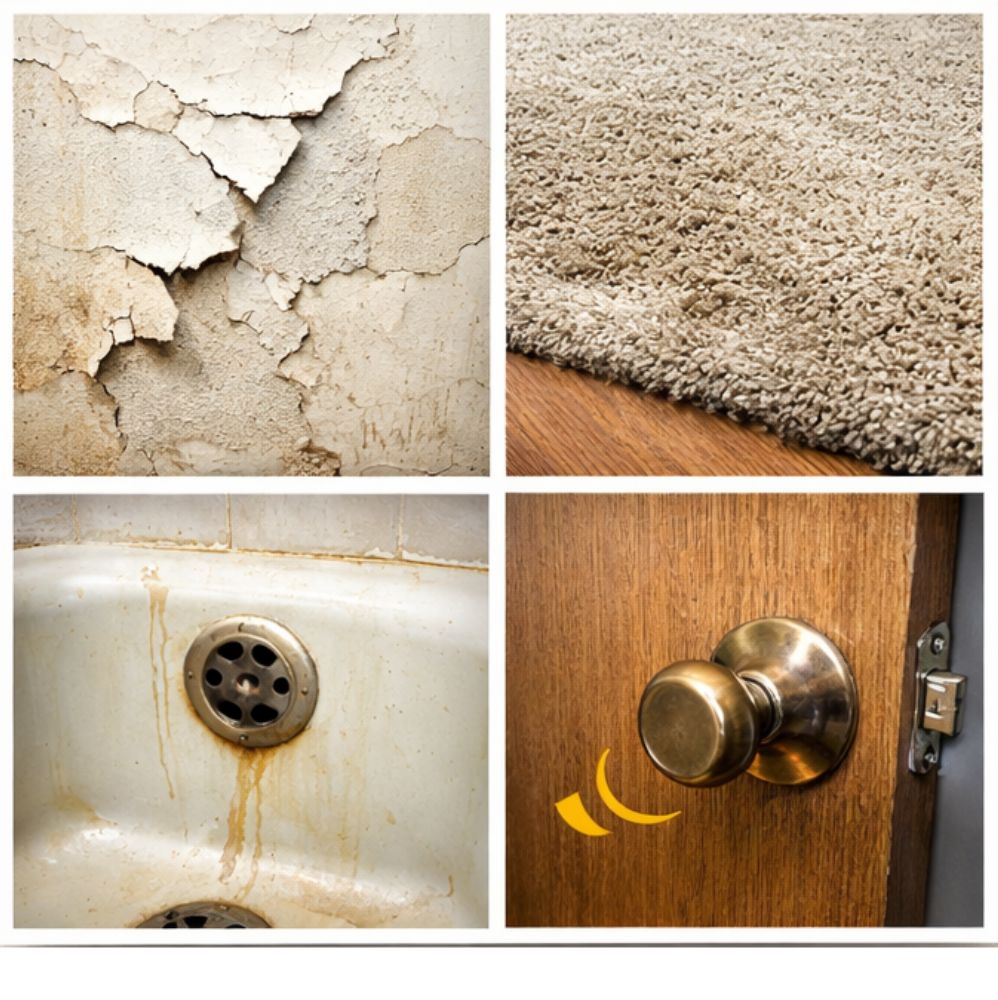
Normal wear and tear is the gradual deterioration of a property from everyday use and aging.
Examples of Normal Wear and Tear:
• Fading, peeling, or cracked paint due to age or sunlight
• Slightly torn or faded wallpaper
• Small chips in plaster
• Pin holes or hairline cracks in walls
• Doors that stick or have loose hardware
• Cracked window panes from building settling
• Floors needing refinishing or a coat of varnish
• Carpet faded or worn thin from normal foot traffic
• Loose grouting or bathroom tiles
• Worn or scratched enamel in older bathtubs, sinks, or toilets (not caused by improper cleaning or negligence)
• Rusty shower rods
• Partially clogged drains from aging pipes
• Dirty or faded lamp shades or window coverings
Tenant Damages
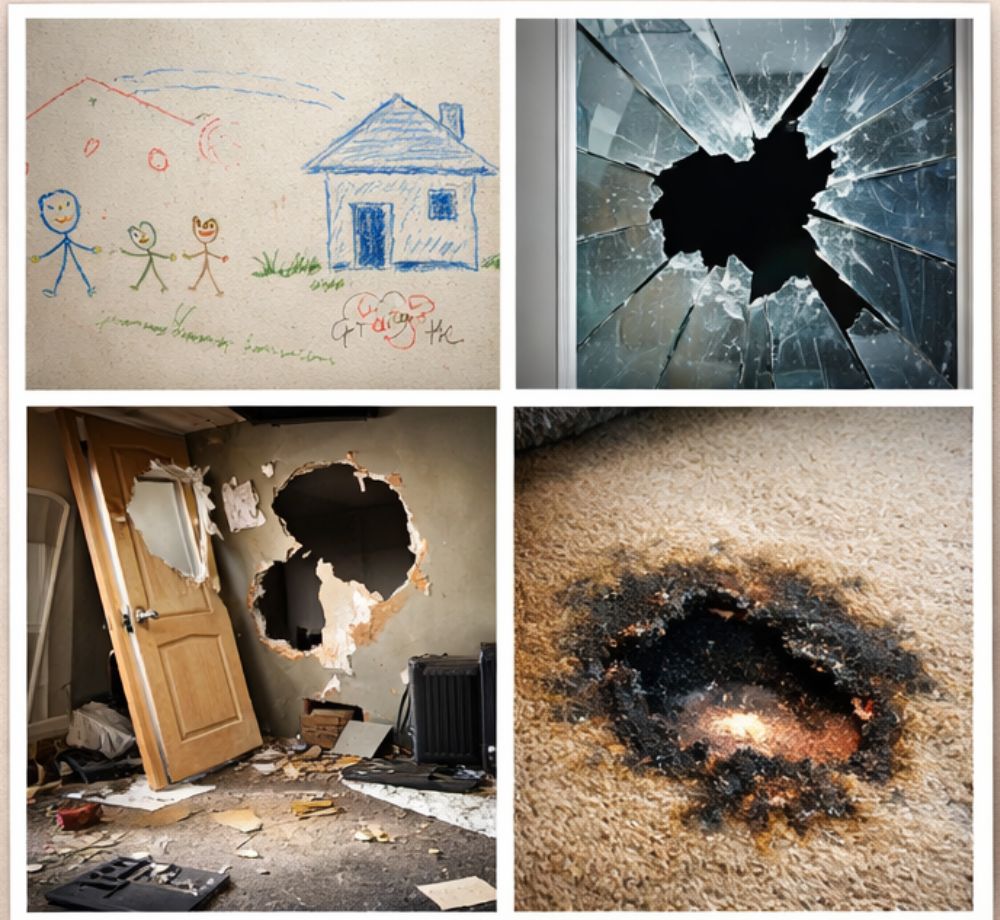
Tenant damages usually require more extensive repair at greater cost than normal wear and tear. These are often the result of negligence, misuse, or abuse beyond expected everyday living.
Examples of Tenant Damages:
• Nail holes in walls or plaster
• Unauthorised drawings, crayon markings, or wallpaper
• Severely damaged or ruined wallpaper
• Chipped or gouged wood floors
• Doors ripped off hinges
• Broken windows
• Missing light fixtures or hardware
• Holes in ceilings from removed fixtures
• Holes, stains, or burns in carpet
• Missing or cracked bathroom tiles
• Chipped or broken enamel in bathtubs and sinks, cracked toilets or sinks
• Clogged or damaged toilets from improper use
• Missing, bent, or broken shower rods or towel bars
• Excessively dirty appliances or heavy grease buildup in kitchen cabinets
Our Expectation: Considering normal wear and tear, we expect to receive the unit back in a condition similar to when it was delivered to the tenant at move-in.
